The Information Technology (IT) field is one of the fastest-growing and most accessible career paths today. Whether you’re aiming to become a help desk technician, system administrator, cybersecurity analyst, or software developer, the journey often starts with the same core foundations.
If you’re new to IT, the sheer number of tools, certifications, and career paths can feel overwhelming. The good news? You don’t need to learn everything at once. Mastering a set of essential skills will give you a strong starting point and help you grow confidently into more specialized roles.
Below are the most important skills every IT beginner should focus on.
Breaking Into IT: Skills Every Beginner Should Master
The Information Technology (IT) field is one of the fastest-growing and most accessible career paths today. Whether you’re aiming to become a help desk technician, system administrator, cybersecurity analyst, or software developer, the journey often starts with the same core foundations.
If you’re new to IT, the sheer number of tools, certifications, and career paths can feel overwhelming. The good news? You don’t need to learn everything at once. Mastering a set of essential skills will give you a strong starting point and help you grow confidently into more specialized roles.
Below are the most important skills every IT beginner should focus on.
1. Computer Fundamentals
Before diving into advanced technologies, you need a solid understanding of how computers work.
Key areas to learn:
- Hardware components (CPU, RAM, storage, motherboard)
- Operating systems (Windows, Linux, macOS basics)
- How software interacts with hardware
- Basic troubleshooting steps
Understanding these fundamentals will help you diagnose issues and communicate effectively with more experienced IT professionals.
2. Operating Systems (Especially Windows & Linux)
Most IT roles involve working with operating systems daily.
Windows skills to master:
- User account management
- File permissions
- Task Manager and system tools
- Basic PowerShell commands
Linux skills to master:
- Navigating the command line
- File and directory permissions
- Package management
- Basic shell commands (
ls,cd,cp,mv,chmod)
Linux is especially valuable for server, cloud, and cybersecurity roles.
3. Networking Basics
Networking is at the heart of IT. Even entry-level roles require some networking knowledge.
Core concepts include:
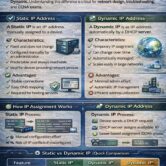
- What IP addresses, DNS, and DHCP are
- Difference between LAN, WAN, and VPN
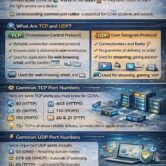
- Common ports and protocols (HTTP,HTTPS, FTP, SSH)
- Basic router and switch functions
You don’t need to be a network engineer right away, but understanding how devices communicate is essential.
4. Troubleshooting & Problem-Solving
IT is fundamentally about solving problems. Employers value how you think just as much as what you know.
Beginner troubleshooting skills include:
- Identifying symptoms vs. root causes
- Following a logical troubleshooting process
- Researching errors effectively
- Testing solutions and documenting results
Learning how to stay calm and systematic when things break is a major advantage.
5. Basic Scripting & Automation
You don’t need to be a programmer, but basic scripting can save hours of work.
Good beginner options:
- PowerShell (Windows environments)
- Bash scripting (Linux/macOS)
- Basic Python fundamentals
Even simple scripts for user creation, backups, or file cleanup can set you apart from other beginners.
6. Cybersecurity Awareness
Security is everyone’s responsibility in IT, not just cybersecurity professionals.
Learn the basics of:
- Strong passwords and authentication
- Malware, phishing, and social engineering
- Software updates and patching
- Principle of least privilege
Having security awareness makes you more valuable and trustworthy in any IT role.
7. Cloud Computing Fundamentals
Cloud skills are becoming essential, even for beginners.
Start by understanding:
- What cloud computing is (IaaS, PaaS, SaaS)
- Basics of AWS, Azure, or Google Cloud
- Virtual machines and cloud storage
- Why businesses move to the cloud
You don’t need deep expertise at first—just a working understanding of how cloud services are used.
8. Communication & Documentation Skills
Technical skills alone are not enough. IT professionals must explain complex issues in simple terms.
Important soft skills:
- Writing clear documentation
- Explaining solutions to non-technical users
- Active listening
- Professional communication (email, tickets, meetings)
Strong communication can accelerate your career faster than technical skills alone.
9. Version Control Basics (Git)
Even outside software development, version control is increasingly useful.
Learn:
- What Git is and why it matters
- Basic commands (
clone,commit,push,pull) - How to use GitHub or GitLab
This skill shows professionalism and prepares you for team-based environments.
10. Continuous Learning Mindset
Technology changes fast. The most important skill in IT is the ability to keep learning.
Ways to build this habit:
- Follow tech blogs and forums
- Practice with labs and home projects
- Earn beginner-friendly certifications
- Learn from mistakes instead of fearing them
Employers value curiosity and adaptability as much as experience.
Final Thoughts
Breaking into IT doesn’t require genius-level intelligence or years of experience. It requires strong fundamentals, consistent practice, and a willingness to learn.
Start small. Build projects. Break things and fix them. Over time, these beginner skills will grow into expertise—and your IT career will grow with them.
If you’re just starting out, focus on progress, not perfection. Every expert in IT was once a beginner too. 🚀